
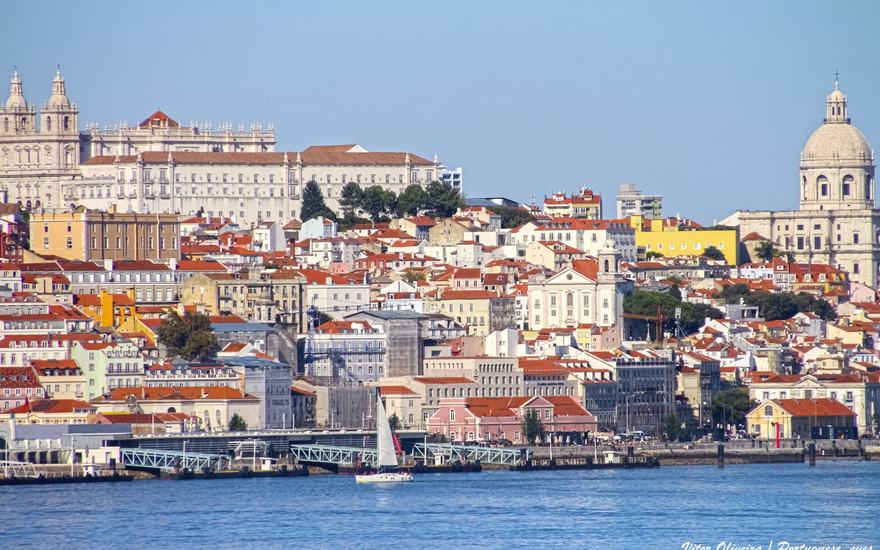
Portugal grants a national long-stay visa for study, applied for at the Portuguese representation once you hold admission. Tuition at public institutions is modest and living costs outside Lisbon are among the lower ones in Western Europe, which has made the corridor increasingly popular.
The visa admits you. The residence permit issued after arrival is what allows you to stay for the length of the degree, and the appointment for it is the step that most commonly causes difficulty because of demand.
The file
Acceptance letter, proof of means for the duration, accommodation evidence, health insurance, criminal record certificate, and academic documents with recognition where required.
Portugal expects the means requirement to be evidenced rather than declared, and a sponsor arrangement to be documented with the sponsor's own financial history.
Language
English-taught programmes are available and growing, particularly at master's level. Portuguese-taught programmes require certification, and the level demanded is real.
Portuguese is not difficult to begin and it substantially improves both the administrative experience and the year itself.
Practicalities
You will need a tax number for most practical transactions, including many tenancy agreements, and obtaining it early smooths a great deal.
Housing in Lisbon and Porto is tight and expensive relative to local incomes. A shortlist that includes smaller university cities is worth considering on cost grounds alone.