Funding depth · Research
Study in United States
The deepest scholarship and assistantship funding in the world for graduate students, plus STEM OPT extensions worth three years of US work experience.
The United States is the only destination where a strong graduate applicant can plausibly be paid to study. Research assistantships, teaching assistantships, and departmental fellowships routinely cover full tuition plus a living stipend. But they are awarded by departments, on department timelines, to applicants who contacted them properly.
That is the part most Pakistani applicants miss. US graduate funding is not a scholarship form you fill in; it is a relationship you build with faculty whose research you have actually read, months before the deadline.
The US cycle is also the longest. Standardised testing, faculty outreach, application, funding decisions, I-20 issuance, and the visa interview span more than a year. We build US timelines backwards from the intake, and we start early or we do not start at all.
- Intakes
- Fall (Aug/Sep) · Spring (Jan) · limited Summer
- Tuition
- USD 25,000 to 60,000 / year, frequently offset by funding
- Living costs
- USD 12,000 to 20,000 / year depending on state
- Work rights during study
- 20 hours per week on-campus during term
- Post-study rights
- OPT: 12 months, plus 24-month STEM extension
- Proof of funds
- Full first-year cost of attendance per the I-20
- Language requirement
- TOEFL 80 to 100 or IELTS 6.5 to 7.0; GRE/GMAT for many programs
- Best suited to
- Research-oriented graduate applicants, especially in STEM, who can start early and want access to the deepest funding pool in the world.
What This Corridor Requires
The Gates You Must Clear.
Standardised Testing
TOEFL or IELTS for language, plus GRE or GMAT for many graduate programs. Test dates gate everything downstream, so they are booked first in any US roadmap.
Faculty Outreach
For funded research positions, targeted contact with professors whose work genuinely matches yours is the single highest-leverage action in the entire process. Generic mass emails are counterproductive.
I-20 and SEVIS
Issued once the university confirms your admission and your financial documentation. The SEVIS fee is paid before the visa interview, and the I-20 must be exactly consistent with your funding evidence.
The F-1 Visa Interview
A short consular interview focused on academic intent, funding, and ties to Pakistan. Under-preparation here wastes a year of work in about four minutes.
Where Applications Fail
Common, Preventable Mistakes.
- Starting the cycle less than twelve months out and missing funding deadlines.
- Applying without any faculty contact, then wondering why no funding came.
- Financial documents that do not exactly match the I-20 cost of attendance.
- Answering the visa interview as an intending immigrant rather than a student.
Cost in Context
What United States Costs Against the Other Corridors.
Minimum tuition plus living costs for the first year, every figure converted to US dollars so the corridors are genuinely comparable.
- Europe & Beyond$11,664 to $27,864
- Germany$13,608 to $14,688
- Canada$29,664 to $44,264
- United Kingdom$33,371 to $53,691
- Australia$39,409 to $49,309
- United States$41,000 to $76,000
Indicative planning figures, refreshed at each audit and never quoted as final. Scholarships and assistantships are modelled separately.
Also Worth Considering
Other Corridors.
Photography credits
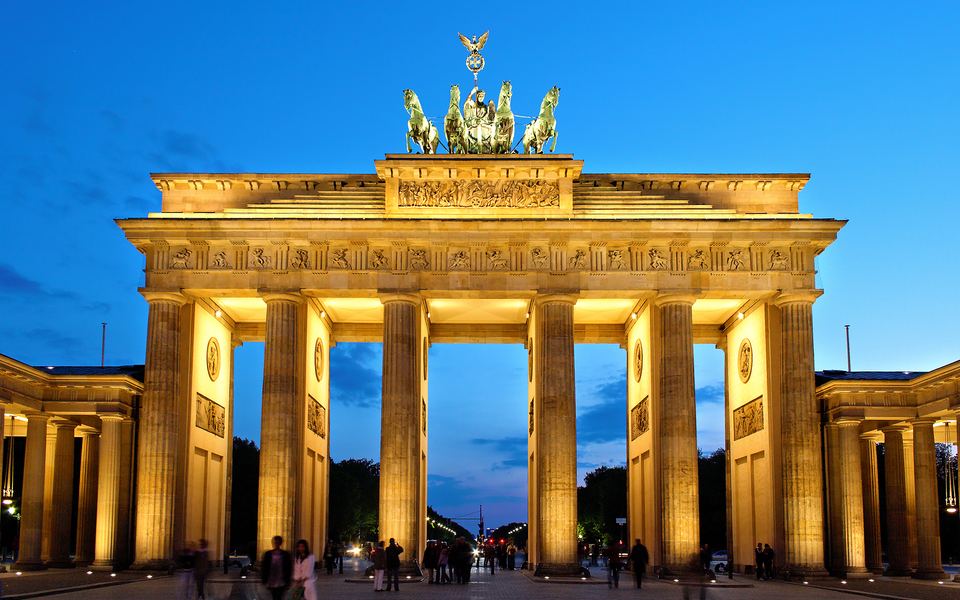
- Brandenburg Gate by Thomas Wolf (www.foto-tw.de), CC BY-SA 3.0
- Colosseum by FeaturedPics, CC BY-SA 4.0
- Manhattan by Dllu, CC BY-SA 4.0
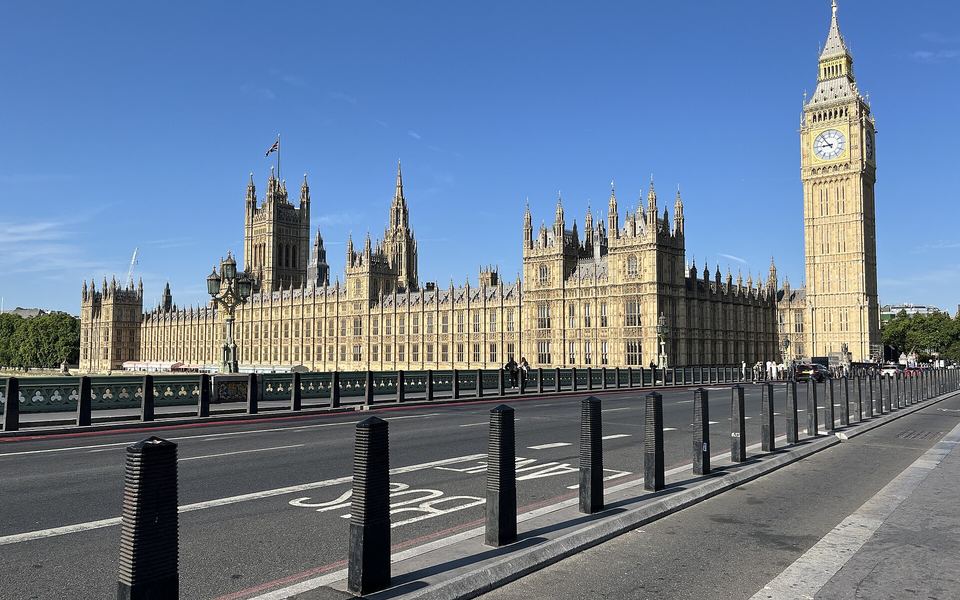
- Palace of Westminster by ThatsTheBoss, CC0
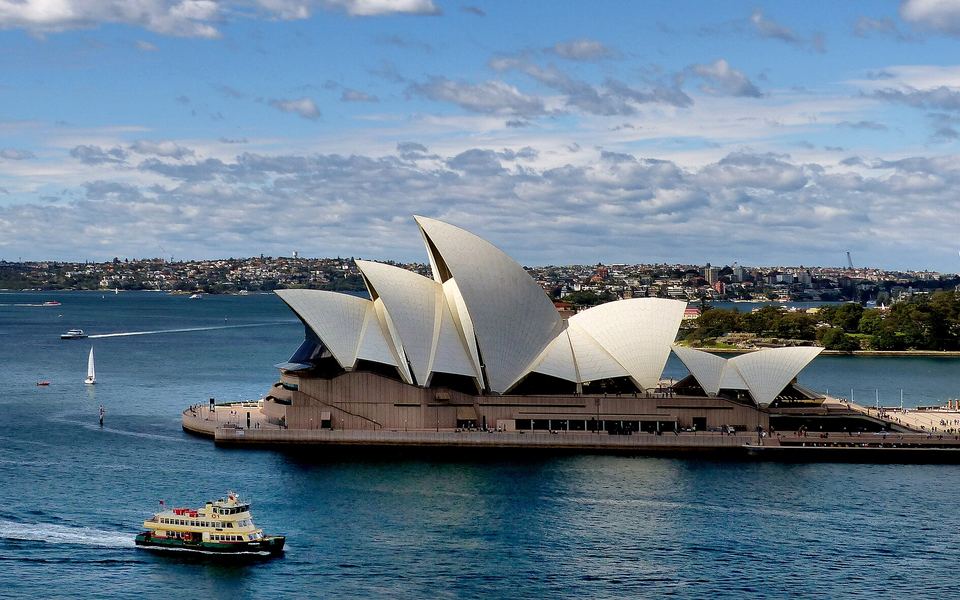
- Sydney Opera House by Bernard Spragg. NZ from Christchurch, New Zealand, CC0
- Toronto by Dillan Payne, CC BY-SA 4.0